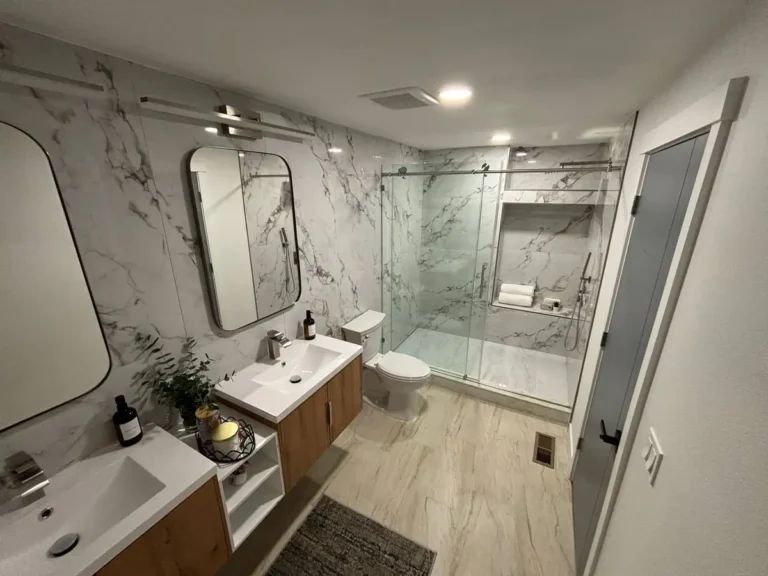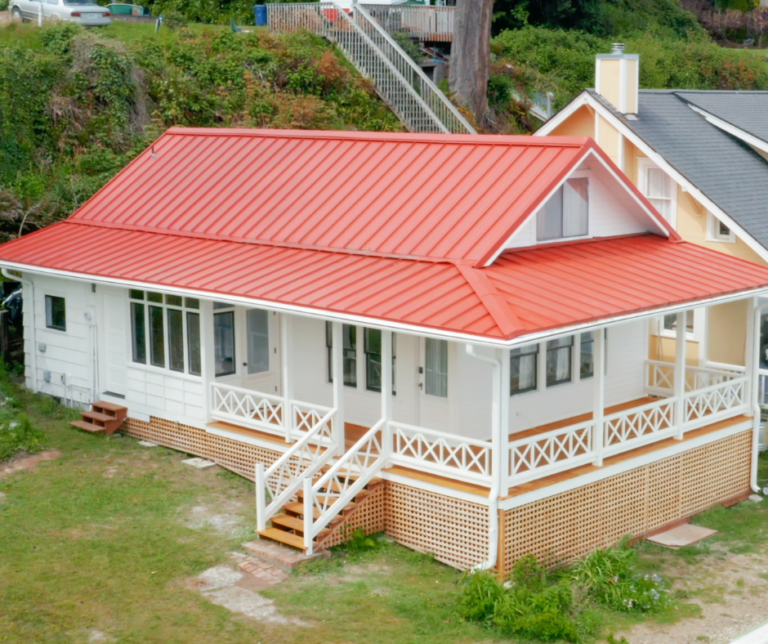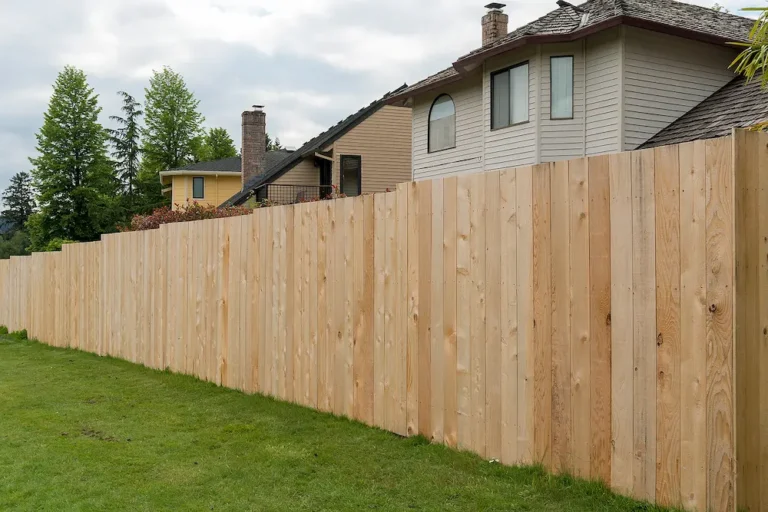
Much of Seattle’s housing stock is decades old — early-1900s craftsman homes, wartime houses and mid-century ramblers. They’re great homes to remodel, but they hide a few things that only show up once walls and floors are opened. Here’s what to expect and how to keep it from wrecking your budget.
1. Water damage and rot
Slow leaks under sinks, around tubs and at deck ledgers can rot subfloors and framing for years before anyone notices. It’s the most common surprise in bathrooms and kitchens. Plan for it: ask your contractor how damage is documented (photos) and priced before it’s repaired.
2. Uneven or squeaky subfloors
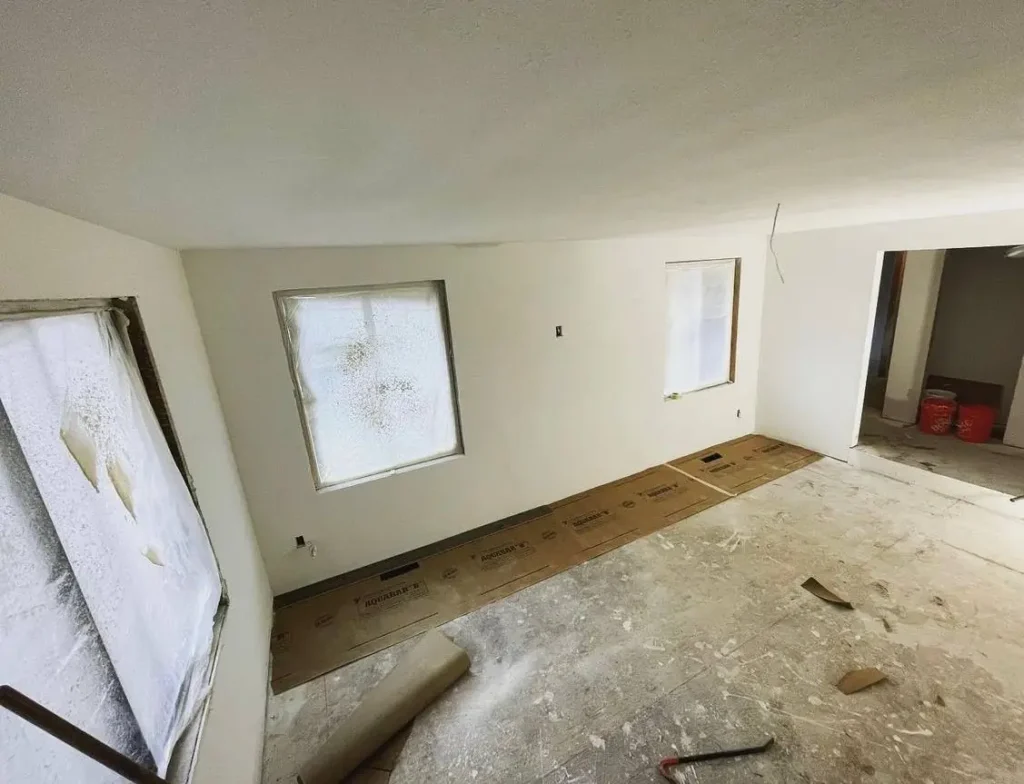
Older floors often dip or squeak. New tile or LVP installed over them cracks or feels hollow. Leveling and re-fastening the subfloor costs far less than redoing a finished floor. See our flooring installation page.
3. Outdated wiring and panels
Older homes may have limited circuits, ungrounded outlets or panels that can’t support modern kitchens. Electrical upgrades are done by licensed electricians and often require a permit.
4. Plaster walls
Plaster cracks when walls are opened and is harder to patch than drywall. Sometimes replacing a wall with drywall is the cleaner choice.
5. Permits and inspections
Moving walls, plumbing or electrical usually needs a permit. Skipping it can cause problems at resale. A good contractor tells you what’s required up front.
6. Exterior rot behind paint
Rotted trim, fascia and siding are often hidden under old paint. They should be replaced before repainting — see house painting.
How to avoid surprises
- Get a walkthrough where the contractor checks subfloors, framing and plumbing access.
- Ask for an itemized estimate with a clear process for hidden damage.
- Keep a 10–15% contingency.
- Hire one crew that can handle structure and finish work.
Get a fixed, written price. Inreal Construction is a licensed Seattle-area general contractor (WA L&I #INREAI*784MG). See our home remodeling page or request a free walkthrough — call (425) 474-3124.